
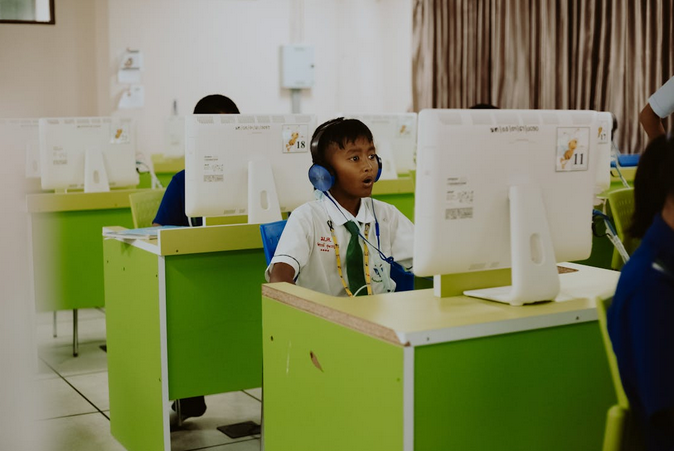
Active learning has become an essential part of modern education because it helps students gain a deeper understanding through participation. Many classrooms still rely on traditional lectures, but students often learn better when they move, talk, create, and solve problems. Creative activities can shift the environment in a meaningful way. They keep students engaged. They strengthen curiosity. And they allow every learner to feel involved. When used with intention, these activities promote skills that last beyond the classroom. They also support a more dynamic routine that feels natural for both students and teachers. This article explores several classroom approaches that inspire active learning and help build stronger connections to lessons.
Using Interactive Discussions
Conversations offer a simple path to active learning. Students enjoy sharing ideas when the atmosphere feels open. Teachers can start with a question, a short prompt, or a real-world example. The key is encouraging students to talk to each other rather than just responding to the teacher. This builds confidence. It trains students to think critically. It also leads to new insights that might not surface in a traditional lecture. When students participate in discussions, they stay alert and engaged. Classroom energy remains high because every voice matters in the moment.
Incorporating Hands-On Experiments
Practical activities make lessons come alive. Experiments help students understand concepts they might struggle with on paper. They can touch materials. They can test ideas. They can watch outcomes unfold. This experience leaves a lasting impression. It also gives students a unique chance to connect learning with real situations. Even small demonstrations can reshape the way students view a subject. Teachers can guide these sessions carefully to ensure safety and structure while still giving students freedom to explore.
Exploring Creative Arts Integration
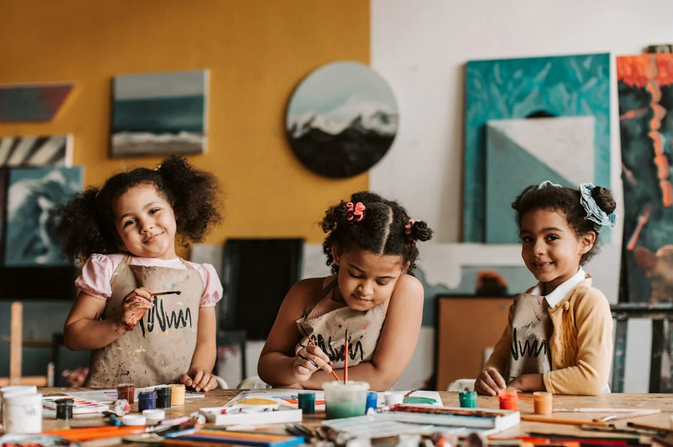
Art can enhance subjects that seem rigid or complex. Whether it is drawing, acting, or crafting, creative expression opens another door to understanding. Students can translate what they learn into visuals or performances. These moments spark imagination. They encourage students to approach material from different angles. This variety helps ideas stick. It also builds a classroom culture filled with enthusiasm and curiosity. The experience remains enjoyable while still supporting academic goals.
Encouraging Group Collaboration
Working in groups teaches cooperation. Students learn how to share tasks, communicate clearly, and support each other’s strengths. Collaboration is useful because it mirrors real-life settings. It prepares students for future work environments where teamwork is common. Teachers can create meaningful group challenges that require problem-solving or creativity. When each student has a role, they feel responsible for the final product. This sense of ownership increases engagement and keeps motivation strong.
Using Technology To Boost Participation
Modern classrooms benefit from digital tools that support active learning. Students are familiar with technology, so integrating it feels natural. Interactive applications, online quizzes, and digital storytelling platforms create fresh ways to participate. Technology also helps teachers track progress and adjust lessons in real time. It can make complicated topics clearer through videos or simulations. When used effectively, these tools ensure that learning stays accessible and exciting for every student.
Introducing Real-World Problem Solving
Students value lessons that feel connected to everyday life. Presenting them with realistic scenarios encourages deeper thought. They can apply knowledge rather than memorize facts. This strengthens analytical skills. It pushes students to think independently. These problem-solving tasks also help build resilience because students must try different approaches before finding solutions. With proper guidance, the activity creates a productive challenge that benefits long-term learning.
Supporting Student-Led Projects
Allowing students to guide part of the learning process promotes responsibility. Student-led projects help them discover interests and express creativity. They choose topics, create plans, and present results. This independence builds confidence. It develops organizational skills. It also encourages students to ask meaningful questions and explore solutions. Teachers assist by providing structure and direction, but students take the lead. This balance fosters growth and keeps engagement high.
Active learning transforms classrooms into places where students feel connected, curious, and motivated. Through discussions, group work, experiments, and creative projects, students stay involved from start to finish. They learn how to think, question, and collaborate. Teachers benefit too because the room becomes more energetic and focused. These activities create a learning environment that supports long-term development and increases enjoyment. By blending structure with imagination, classrooms become spaces where students can reach their utmost potential.…
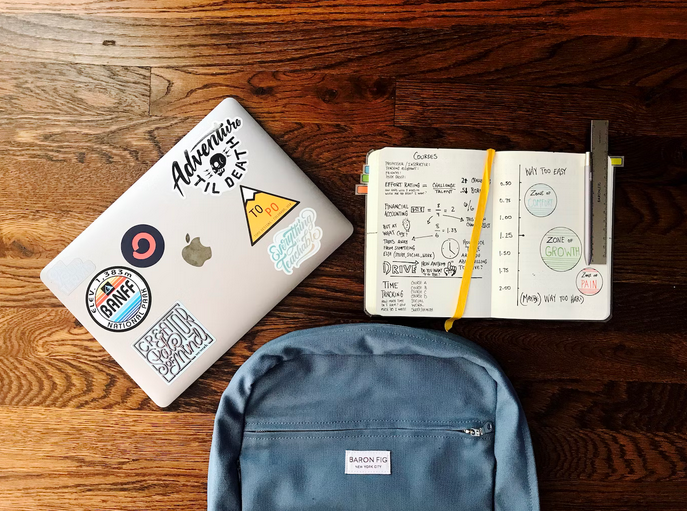


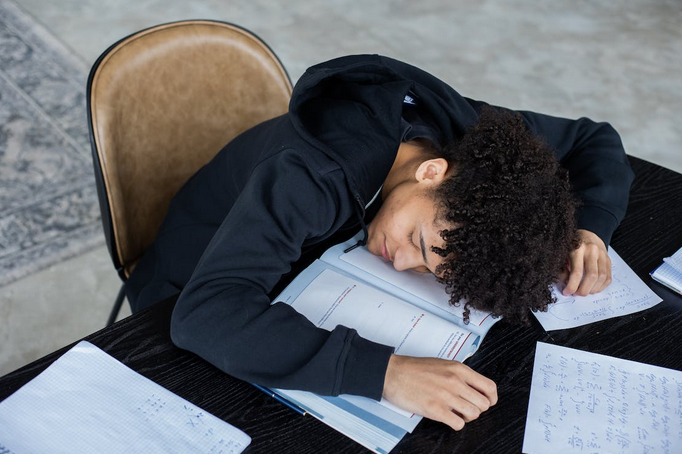

 Finally, taking regular breaks is an important part of making studying less stressful. After working hard to absorb all that information, your mind needs some time to relax and rest before getting back to work. Short breaks throughout the day can help you stay focused and energized to keep going. It’s also a great way to reward yourself for all the hard work you’ve put in. Make sure these breaks are productive, though – don’t just spend them scrolling through social media or watching TV. Step away from your desk and take a walk, read a book, do some stretches or meditate. Whatever it is you decide to do on your breaks, make sure that it’s something that will help you relax and rejuvenate before getting back to work.