

The landscape of education is evolving rapidly, and online courses are leading the charge. Scholars everywhere are embracing this shift for a multitude of reasons. As traditional classrooms face challenges in accessibility, flexibility, and relevance, many learners find that the digital realm offers solutions tailored to their needs. Whether seeking a specific skill or expanding knowledge in various fields, more students are swapping bricks-and-mortar institutions for virtual classrooms. Let’s explore why this trend is gaining momentum among scholars today.
Variety of Course Options
One of the most enticing aspects of online education is the sheer variety of course options available. Scholars can choose from an extensive catalog, ranging from niche subjects to popular fields. This diversity allows learners to pursue their passions without being confined to a specific curriculum. Many platforms offer courses created by industry experts and renowned institutions. This means students can access high-quality content that might not be available locally. Whether you’re interested in artificial intelligence or ancient philosophy, there’s likely an online course tailored just for you. Additionally, many online programs frequently update their offerings to reflect current trends and demands in various industries. This responsiveness ensures that scholars receive relevant information and skills directly applicable to today’s job market. With such a broad range of choices at your fingertips, education becomes more personalized than ever before.

Increased Access to Education
Online courses have opened doors that were once firmly shut. Now, students from all walks of life can tap into quality education without geographical barriers. Imagine a learner in a remote village accessing lectures from top universities worldwide. This flexibility changes the game entirely. No longer do you need to relocate or commute long distances to attend classes? Moreover, online platforms often offer affordable options compared to traditional institutions. Scholarships and financial aid are also increasingly available for virtual learners. This democratization of knowledge enables diverse voices and perspectives in classrooms. A global network forms as people connect and share ideas across continents. Increased access fosters an environment where anyone eager to learn can thrive regardless of their starting point.
Advancements in Technology
Advancements in technology are revolutionizing education. Online platforms now offer cutting-edge tools that enhance learning experiences. Video lectures, interactive quizzes, and virtual simulations create an engaging environment. Students can access a wealth of resources at their fingertips. This means they can explore subjects deeply without the constraints of traditional classroom settings. Mobile apps allow learners to study anywhere and anytime, breaking down geographical barriers. With just a smartphone or tablet, students connect with educators worldwide. These innovations foster collaboration among peers globally. Discussion forums and group projects facilitate diverse perspectives that enrich the educational journey. As technology continues to evolve, it shapes how knowledge is shared and consumed in our digital age.
Self-Paced Learning
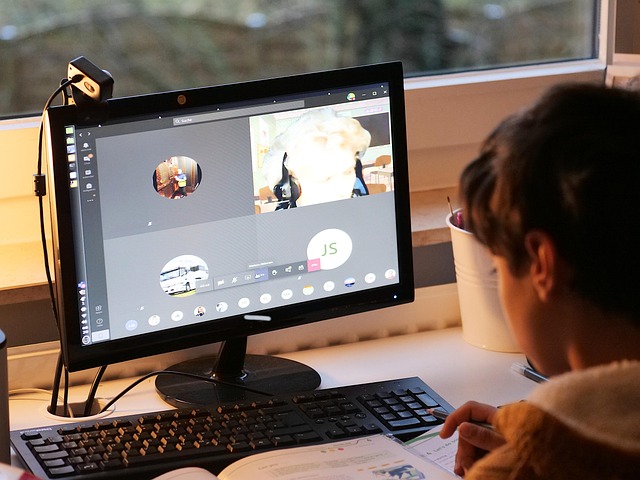
Self-paced learning is revolutionizing the way scholars approach education. It allows students to take control of their educational journey, moving through material at a pace that suits them best. This flexibility means learners can spend more time on challenging subjects while breezing through those they grasp quickly. The traditional classroom setting often doesn’t accommodate such varied learning speeds. Moreover, self-paced courses offer the opportunity for deeper exploration. Scholars can delve into topics of interest without the constraints of a rigid schedule. This fosters a richer understanding and encourages curiosity. Another advantage lies in balancing other commitments like work or family life. Online platforms provide access anytime and anywhere, making it easier than ever to fit education into busy lives. It’s about creating an environment where personal growth thrives alongside academic achievement.
Conclusion
The shift towards online courses among scholars is undeniable. With a plethora of options now available, learners have the freedom to choose subjects that truly interest them. As we observe these shifts in how education is delivered and consumed, it becomes clear that embracing online courses offers numerous benefits for modern learners seeking growth and development in their academic journeys.…