
From Beginner to Pro: Skills That Power Successful Rental Businesses

Most people step into short-term rentals thinking the hard part is getting bookings. A good listing, decent photos, and a competitive price feel like enough to get things moving. Then the messages start coming in at all hours, cleaners need coordination, guests ask unexpected questions, and pricing suddenly feels more like a moving target than a set decision. What becomes clear pretty quickly is that running rentals is less about owning property and more about learning how to operate a small, fast-moving service business.

Learning to Manage Constant Guest Flow

woman

Guest communication is usually the first real pressure point. It’s not just about replying quickly—it’s about staying consistent, accurate, and calm even when multiple conversations overlap. Guests often need reassurance as much as information, especially before check-in. Hosts who improve in this area don’t necessarily type faster; they get better at anticipating what people will ask and reducing uncertainty before it shows up.

Building Support Systems That Scale

As bookings increase, manual coordination starts to break down. Messages get buried, cleaning schedules overlap, and small mistakes become more frequent. This is usually the stage where structure becomes essential. Many operators start relying on tools or external help to stay organized. Airbnb virtual assistant helps manage repetitive communication and day-to-day coordination, allowing the host to maintain responsiveness without being tied to their phone all day. The shift here isn’t about doing less work—it’s about making sure the work is handled consistently, even when volume increases.

Developing Pricing Awareness

Pricing is one of the least intuitive skills for new hosts. It’s easy to set a nightly rate and leave it unchanged, but that often leaves money on the table or leads to inconsistent bookings. Over time, experienced hosts start paying attention to patterns: weekends vs weekdays, seasonal demand, local events, and even competitor behavior. Instead of guessing, they begin adjusting rates with intention, treating pricing as an ongoing decision rather than a fixed setting.

Designing a Stay People Remember

Guests rarely remember exact details like listing descriptions or pricing differences, but they always remember how the stay felt. A smooth check-in, a clean and comfortable space, and clear communication can completely shape the experience. As hosts gain experience, they start thinking less about “filling a unit” and more about designing a predictable, pleasant stay. Small improvements—like clearer instructions or better-prepared spaces—tend to have an outsized impact on reviews.

Creating Reliable Operating Routines

man

When a host manages more than one property, inconsistency becomes the biggest risk. What works for one listing might get missed in another if there’s no structure behind it. Experienced operators start building routines that don’t depend on memory or daily effort. Instead, tasks follow a repeatable pattern: guest messaging flows the same way, cleanings are scheduled the same way, and issue handling follows a clear process. This removes guesswork and reduces stress when things get busy.

Shifting From Operator to Manager

At a certain point, the job changes shape. Instead of doing every task directly, the focus shifts toward making sure tasks are done correctly by others or through systems. This transition is where many hosts either grow or stall. Those who move forward learn to trust systems, delegate responsibility, and step back from constant execution. It’s less about being involved in everything and more about ensuring everything is covered.

Becoming successful in short-term rentals isn’t about a single breakthrough moment. It’s a gradual shift in capability—learning how to communicate clearly, price intelligently, build structure, and deliver consistent guest experiences. Over time, these skills compound into something bigger: a business that runs with less friction and more predictability. What starts as a simple hosting setup eventually becomes a well-managed operation built on systems rather than guesswork.…


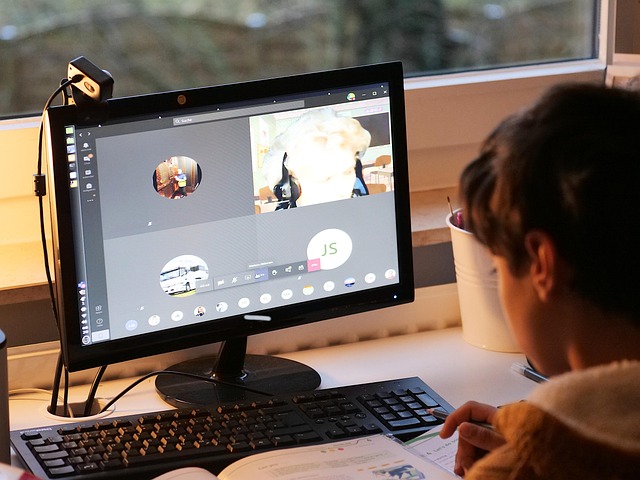
Reasons Scholars Are Switching to Online Courses

The landscape of education is evolving rapidly, and online courses are leading the charge. Scholars everywhere are embracing this shift for a multitude of reasons. As traditional classrooms face challenges in accessibility, flexibility, and relevance, many learners find that the digital realm offers solutions tailored to their needs. Whether seeking a specific skill or expanding knowledge in various fields, more students are swapping bricks-and-mortar institutions for virtual classrooms. Let’s explore why this trend is gaining momentum among scholars today.

Variety of Course Options

One of the most enticing aspects of online education is the sheer variety of course options available. Scholars can choose from an extensive catalog, ranging from niche subjects to popular fields. This diversity allows learners to pursue their passions without being confined to a specific curriculum. Many platforms offer courses created by industry experts and renowned institutions. This means students can access high-quality content that might not be available locally. Whether you’re interested in artificial intelligence or ancient philosophy, there’s likely an online course tailored just for you. Additionally, many online programs frequently update their offerings to reflect current trends and demands in various industries. This responsiveness ensures that scholars receive relevant information and skills directly applicable to today’s job market. With such a broad range of choices at your fingertips, education becomes more personalized than ever before.

Increased Access to Education

Online courses have opened doors that were once firmly shut. Now, students from all walks of life can tap into quality education without geographical barriers. Imagine a learner in a remote village accessing lectures from top universities worldwide. This flexibility changes the game entirely. No longer do you need to relocate or commute long distances to attend classes? Moreover, online platforms often offer affordable options compared to traditional institutions. Scholarships and financial aid are also increasingly available for virtual learners. This democratization of knowledge enables diverse voices and perspectives in classrooms. A global network forms as people connect and share ideas across continents. Increased access fosters an environment where anyone eager to learn can thrive regardless of their starting point.

Advancements in Technology

Advancements in technology are revolutionizing education. Online platforms now offer cutting-edge tools that enhance learning experiences. Video lectures, interactive quizzes, and virtual simulations create an engaging environment. Students can access a wealth of resources at their fingertips. This means they can explore subjects deeply without the constraints of traditional classroom settings. Mobile apps allow learners to study anywhere and anytime, breaking down geographical barriers. With just a smartphone or tablet, students connect with educators worldwide. These innovations foster collaboration among peers globally. Discussion forums and group projects facilitate diverse perspectives that enrich the educational journey. As technology continues to evolve, it shapes how knowledge is shared and consumed in our digital age.

Self-Paced Learning

Self-paced learning is revolutionizing the way scholars approach education. It allows students to take control of their educational journey, moving through material at a pace that suits them best. This flexibility means learners can spend more time on challenging subjects while breezing through those they grasp quickly. The traditional classroom setting often doesn’t accommodate such varied learning speeds. Moreover, self-paced courses offer the opportunity for deeper exploration. Scholars can delve into topics of interest without the constraints of a rigid schedule. This fosters a richer understanding and encourages curiosity. Another advantage lies in balancing other commitments like work or family life. Online platforms provide access anytime and anywhere, making it easier than ever to fit education into busy lives. It’s about creating an environment where personal growth thrives alongside academic achievement.

Conclusion

The shift towards online courses among scholars is undeniable. With a plethora of options now available, learners have the freedom to choose subjects that truly interest them. As we observe these shifts in how education is delivered and consumed, it becomes clear that embracing online courses offers numerous benefits for modern learners seeking growth and development in their academic journeys.…

Benefits of Working from Home

The Covid-19 pandemic forced many companies to alter their operations in many ways. While organizations have allowed their employees to work remotely for decades, this pandemic created a big moment for online working. Remote working offers many advantages for both workers and employers – some of which you might already know. That said, here is a rundown of some benefits of working from home.

Improves Work-Life Balance

online job

Most remote jobs allow employees to work with flexible schedules. This means that workers have the liberty to start and end their day as they choose as long as they can achieve their target outcomes. This level of flexibility is invaluable when you also need to attend to personal needs such as going to the gym, dropping your kids off at school, or running household errands.

Reduces Commute Stress

Going to work and back can take up to an hour of your time, or even more if you get stuck in traffic. Commuting is not just about wasting time. The hassles involved are often associated with increased levels of anxiety and stress. In light of this, working from home and ditching everyday-commute comes in handy in supporting your physical and mental health. Saving commute time also allows you to focus on doing things you derive pleasure in, such as going for a morning run or reading a book.

Promotes Inclusivity

The possibility of working online has also opened up opportunities for individuals from all lifestyles. Companies are now able to hire professionals from different geographic and cultural backgrounds. The best part about remote jobs is that they create an opportunity for people who have had challenges securing jobs on-site.

Encourages Sustainability

Remote working has been shown to support multiple sustainable initiatives. This includes economic growth, sustainable cities, and responsible consumption, among other things. For instance, with remote jobs, the world could see a remarkable reduction in pollution levels, which is essential in making the planet healthy for everyone.

Increases Performance

Remote working allows you to work in your comfort. Since you choose where you will be working from, the chances are that you will work with fewer interruptions. In light of this, working from home makes employees more productive than when at the workplace.

working

Though the pandemic might have had a significant role in promoting remote working, it is not the only reason this mode of working should be encouraged. Indeed, working from home has a lot of benefits to offer to both employer and their employees.…